
Herbs
How to grow herbs all year round for flavour and taste
I could not live without my herbs. Herbs transform any culinary dish, adding lovely fresh flavour and seasoning without using too much salt in today’s health conscious society.
However buying herbs from the supermarket in small bags can be expensive and wasteful if the herbs are not used quickly enough. Often the herbs have been chilled before going on sale reducing their shelf life.
There is nothing like going into the garden and picking a great bunch of fresh herbs to both flavour, and garnish your food. Most herbs can be grown easily from seed or cuttings giving you gorgeous outdoor pots in the summer which taste of the sun…. and a good variety of windowsill herbs in the winter – think sage, thyme and rosemary for all your Christmas trimmings.
Below are all my favourite herbs with full growing instructions, care instructions, storage and drying instructions, and even some of my favourite recipes to use those delicious herbs.
Directory
Check out how to grow, look after and use your herbs in our directory below..
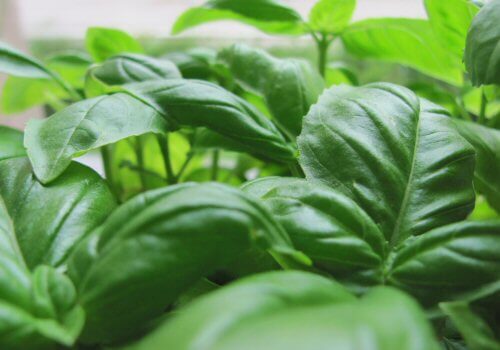
Basil
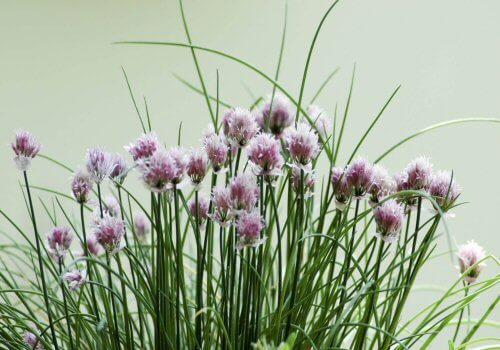
Chives
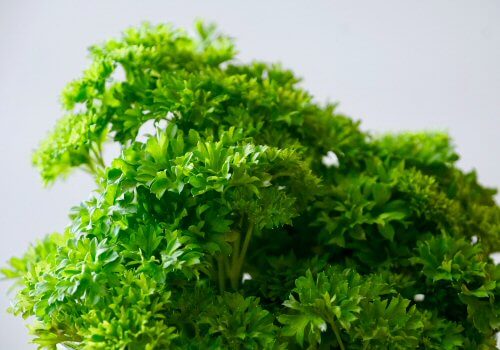
Parsley
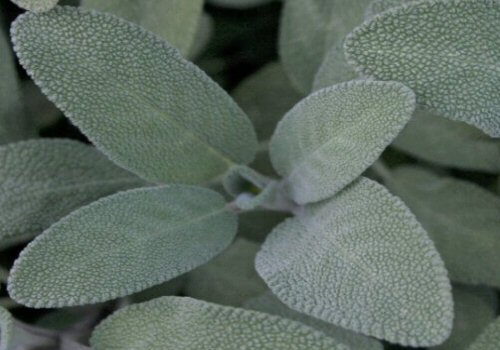
Sage
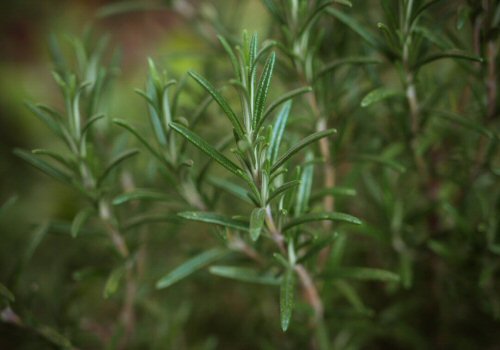
Rosemary
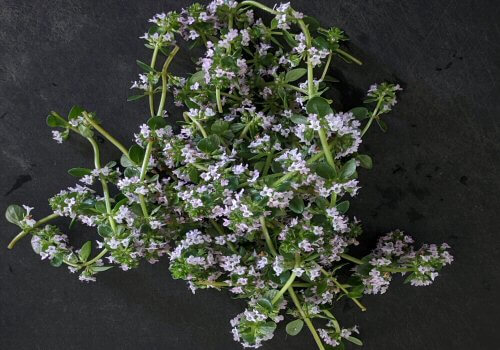
Thyme
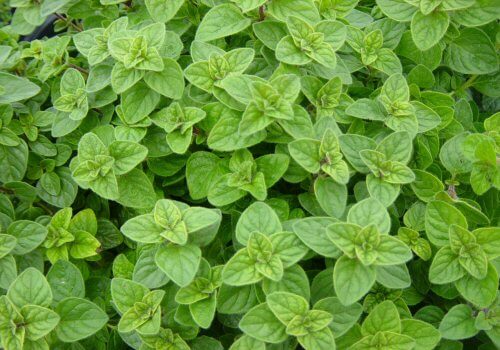
Oregano
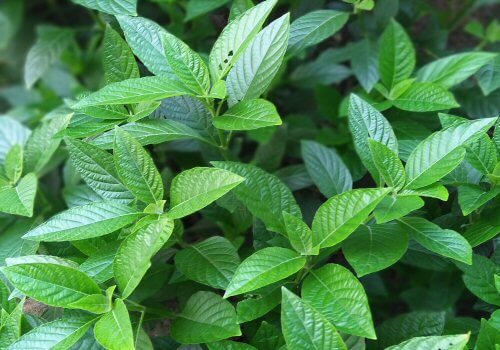
Mint
Understand the difference between English and Mediterranean herbs.
Many people believe that all herbs require hot sunny positions in order to grow well, and therefore tend to treat all herbs in the same way. However, you may find that in a hot summer some of your herbs may start to ‘bolt’, set seed and die off. It is therefore important to understand that there are basically 4 types of hers and each type requires different growing conditions.
- Evergreen (perennial) Mediterranean Herbs:e.g.Rosemary, Bay,
- Annual Mediterranean style herbs: e.g. Basil,
- Traditional English style Perennial Herbs: e.g. Chives, Mint, Parsley, Thyme, Lovage
- Annual British Herbs: e.g. Borage
Of course there are always exceptions, and in very protected gardens or different parts of the country, some herbs may survive a winter, but bringing tender herbs into a greenhouse or frost free area can be an insurance policy to prevent losing them. may
Many traditional English herbs tend to die down in the winter, such as Chives, Mint, Parsley or Tarragon. These herbs tend to like a rich soil with plenty of moisture so in the summer they require watering well and some shade from the strong sun.
Mediterranean herbs however such as Rosemary, Sage, Bay, tend to like a really sunny spot in the garden as they ‘hate’ having their roots wet.
Harvesting, Using and Preserving your Herbs
