
All you need to know about SAGE
Sowing, growing and eating………..
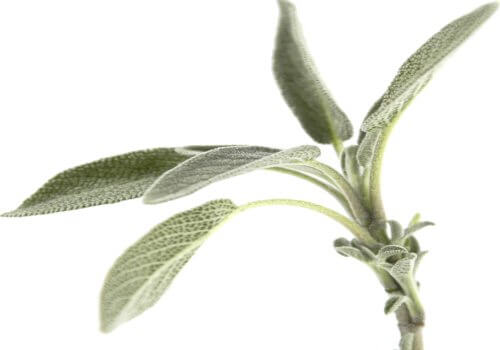
Sage
Although a Mediterranean herb, Sage is typically associated with British cooking in particular roast dinners, where sage and onion stuffing has the starring role. Due to it’s winter hardiness in the UK it is accessible all year round so especially good with hearty winter cooking. However you are missing out drastically if you have not used it in more modern cuisine; sage butter drizzled over a light ravioli is to die for with the pungent aroma of sage filling your tastebuds as the heat from tossing in hot butter brings out its full flavour.
In your borders it also makes an attractive plant due to its attractive green leaves and gorgeous blue flowers which attract bees and butterflies into your garden. Coupled with a few of the variegated leaved varieties your borders will be a riot of colour.
How to grow Sage
You can start your sage collection either by purchasing plants from your local garden centre, which if you want lots of different varieties is probably the easiest. However, sage is easily grown from seed, or propagated from cuttings (hopefully a good friend with a herb garden). Seeds should be sown in the spring in small plugs or modules. They germinate best with some base heat so a propagator is useful but later spring sowings should have enough natural heat to germinate if indoors. Cuttings should be taken in late spring or early summer when plants have good growth on them.
Whilst sage is a hardy perennial plant, it hates having its roots soaking wet when it is cold. whilst during hot spells it requires watering well, in the winter it needs to be in the driest and most protected spot to avoid it dying. Some of the more variegated varieties are more tender and it is advisable to take cuttings of these as an insurance policy if you do lose your main plant.
Harvesting: Sage leaves should be harvested regularly as this encourages new shoots from lower down the plant which avoids woody straggly plants. Harvest early in the morning before the sun has had the opportunity to ‘soften’ the leaves. cut stems with plenty of leaves on, although leaves can be harvested individually if required. Put the stems into iced water to keep fresh until use.
Sage is one herb whose leaves retain good flavour when dried, so if you have a good crop and do not want to waste all those gorgeous leaves, then see our article on how to preserve your herbs.
Varieties of Sage
There are many varieties of sage to numerous to mention. If your primary aim is for culinary purposes the the common sage plant will meet all of your needs. Pineapple sage does have a slightly sweeter flavour, but most of the others have a more decorative purpose.
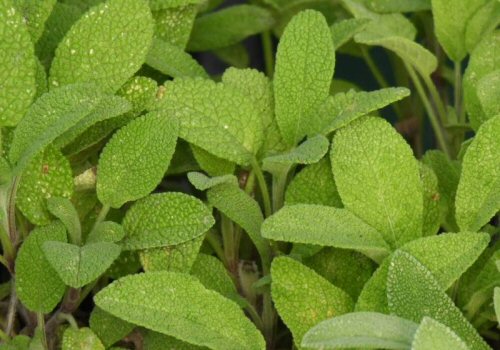
Common Sage
(Salvia Officinalis) Common sage is the most widely grown for culinary purposes due tits intense flavour and oval green/grey leaves. A mature plant can reach 60cm (2ft) in height and can have a spread of up to 90cm (3ft).
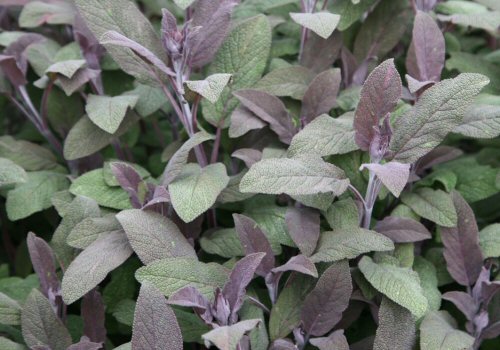
Purple Sage
Your content goes here. Edit or remove this text inline or in the module Content settings. You can also style every aspect of this content in the module Design settings and even apply custom CSS to this text in the module Advanced settings.
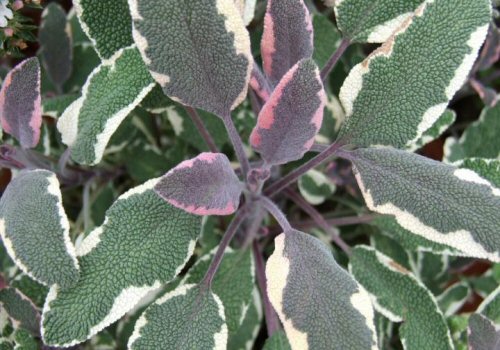
Tri-color Sage
Your content goes here. Edit or remove this text inline or in the module Content settings. You can also style every aspect of this content in the module Design settings and even apply custom CSS to this text in the module Advanced settings.
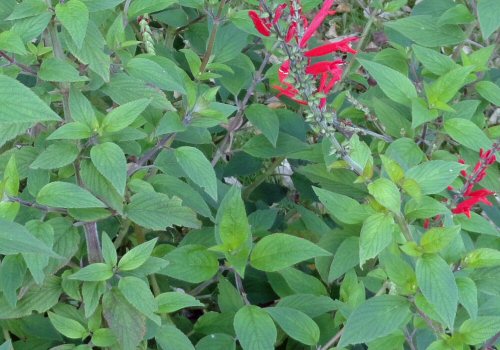
Pineapple Sage
Your content goes here. Edit or remove this text inline or in the module Content settings. You can also style every aspect of this content in the module Design settings and even apply custom CSS to this text in the module Advanced settings.

Sage
Your content goes here. Edit or remove this text inline or in the module Content settings. You can also style every aspect of this content in the module Design settings and even apply custom CSS to this text in the module Advanced settings.
Sage
Your content goes here. Edit or remove this text inline or in the module Content settings. You can also style every aspect of this content in the module Design settings and even apply custom CSS to this text in the module Advanced settings.